Elbow Pad Guide for BMX and MTB: Fit, Coverage, and Tradeoffs
Elbow pads are a fit and use-case decision, not a simple ranking. A street rider may want a low-profile sleeve that is easy to wear on every session. A downhill rider may accept more bulk for a larger coverage area, stronger retention, and a certified impact system. The products below are specific references, not hands-on test results. I have not measured their impact performance or claimed personal crash testing.
Start with the type of impact
Ask where the pad will be used before looking at the color or price:
- BMX street and park: low profile, freedom of movement, and reliable retention often matter most. A soft pad can reduce scrapes and minor knocks, but it is not a substitute for a helmet or safe progression.
- Trail and all-mountain riding: ventilation, a stable sleeve, abrasion resistance, and the ability to pedal without the pad migrating are useful.
- Downhill and freeride: larger coverage, straps that remain secure over rough terrain, abrasion resistance, and a recognized impact standard deserve more weight than minimum bulk.
A soft pad and a Level 2 pad solve different problems. Do not describe a lightweight foam sleeve as equivalent to a downhill protector, and do not assume a certification covers every injury scenario.
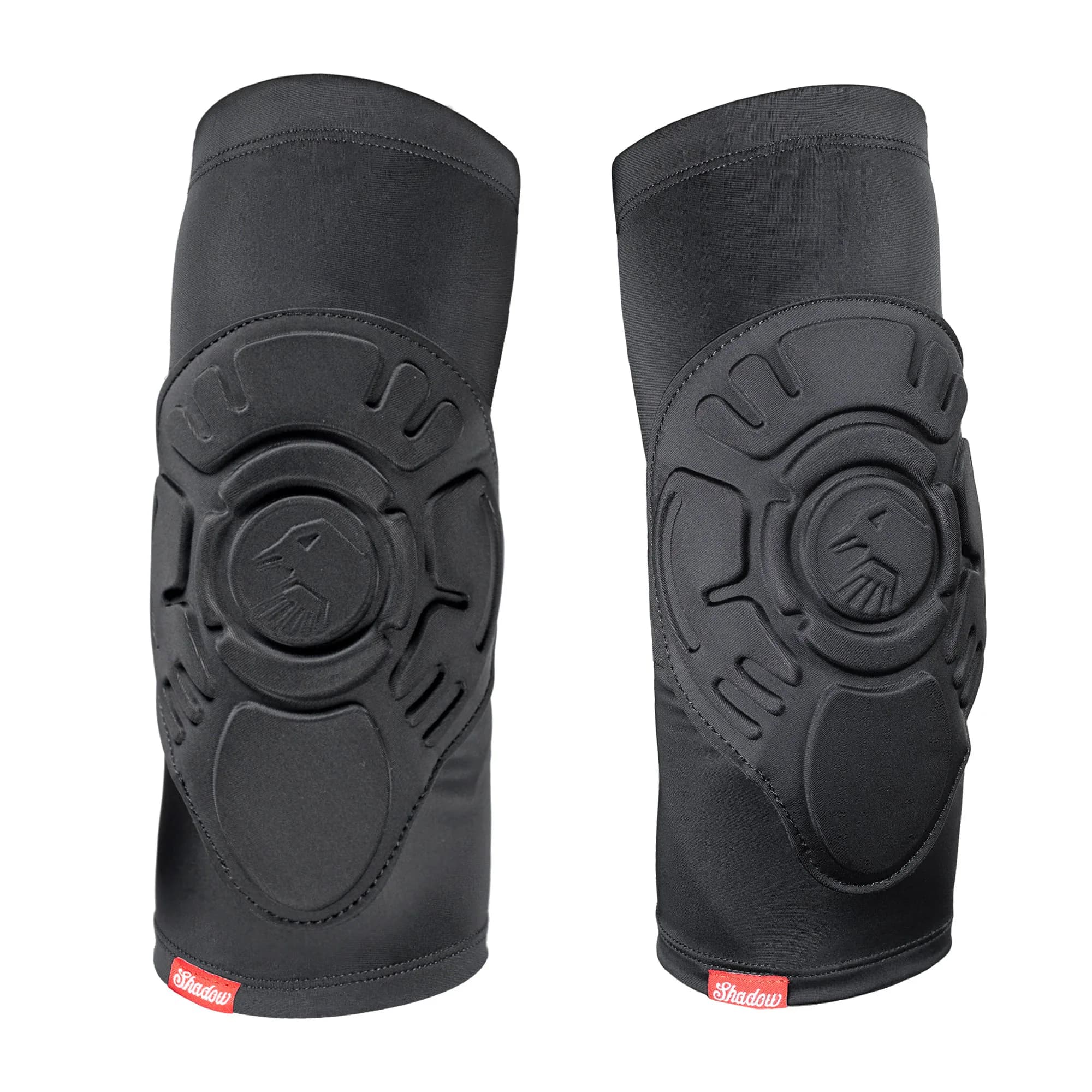
Shadow Conspiracy Invisa-Lite: the low-profile BMX option
The Shadow Invisa-Lite is aimed at riders who want protection without a hard shell. The current Backyard BMX product listing describes lightweight Lycra, impact-resistant 3D foam, silicone grip, double-needle stitching, and sizes from small through XL. The listing also shows that stock can change, so check the live size selector rather than assuming every size is available.
This is the most natural match for street, park, and lower-bulk trail use. The advantage is compliance: a rider may be more likely to wear a slim pad consistently. The limitation is equally important. A low-profile soft pad is not the same protection as a downhill pad with a rigid or high-energy impact system. If the rider wants coverage for rocks, higher-speed falls, or rough terrain, compare a more substantial option.
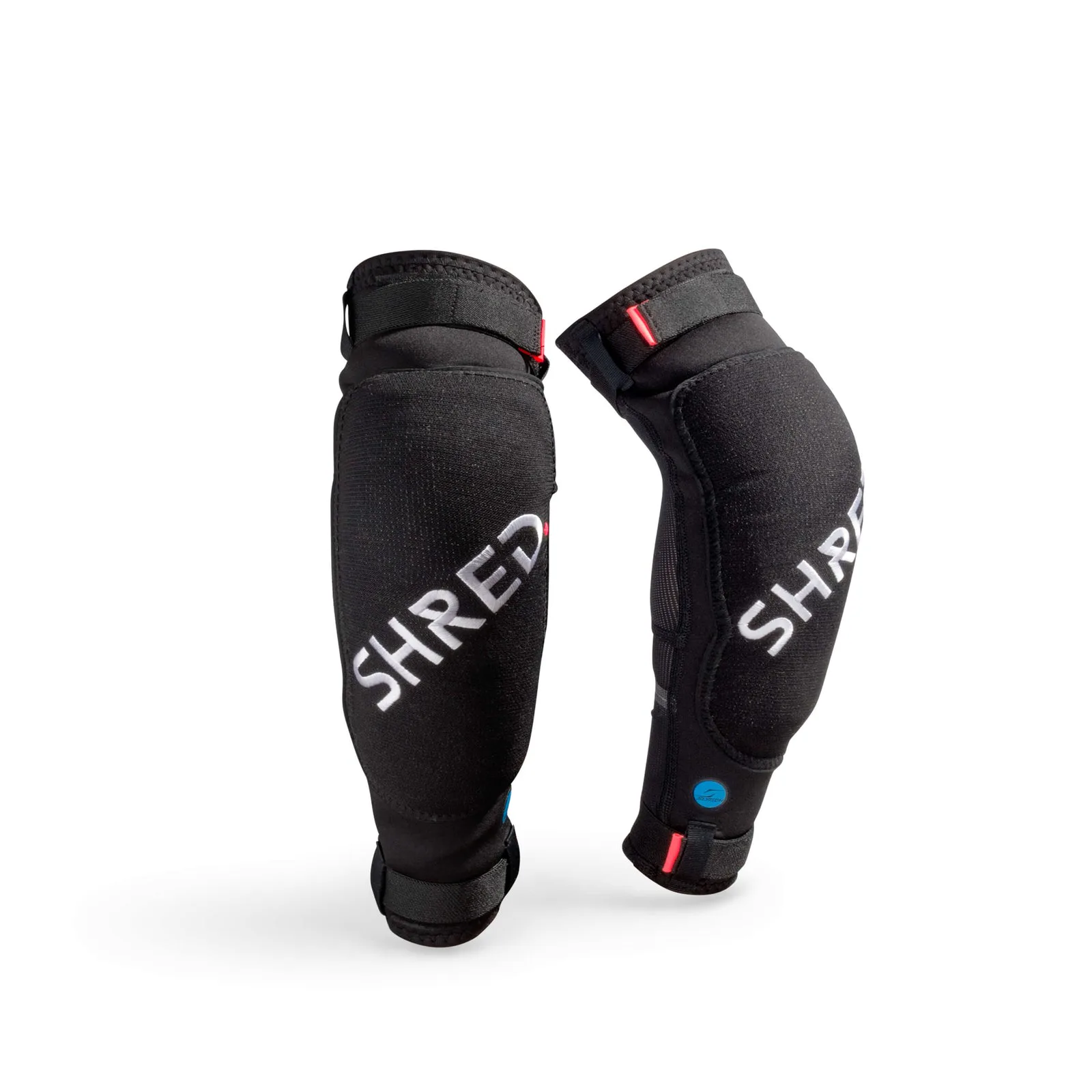
SHRED NoShock Heavy Duty: the downhill and freeride option
The official SHRED product page lists SLYTECH shock-absorption honeycomb padding, a Kevlar fiber front, upper and lower straps, a neoprene sleeve, and CE EN 1621-1 Level 2 certification. It also publishes biceps and forearm circumference ranges for each size. Those measurements are more useful than guessing from shirt size.
The NoShock is the right comparison when the riding includes downhill, freeride, or rough park lines and the rider accepts more structure. The tradeoff is heat, bulk, and a greater need to measure carefully. A Level 2 label is evidence of a test standard for the protector; it is not a guarantee that a rider will avoid injury. Inspect the pad after a serious impact and follow the maker’s replacement guidance.
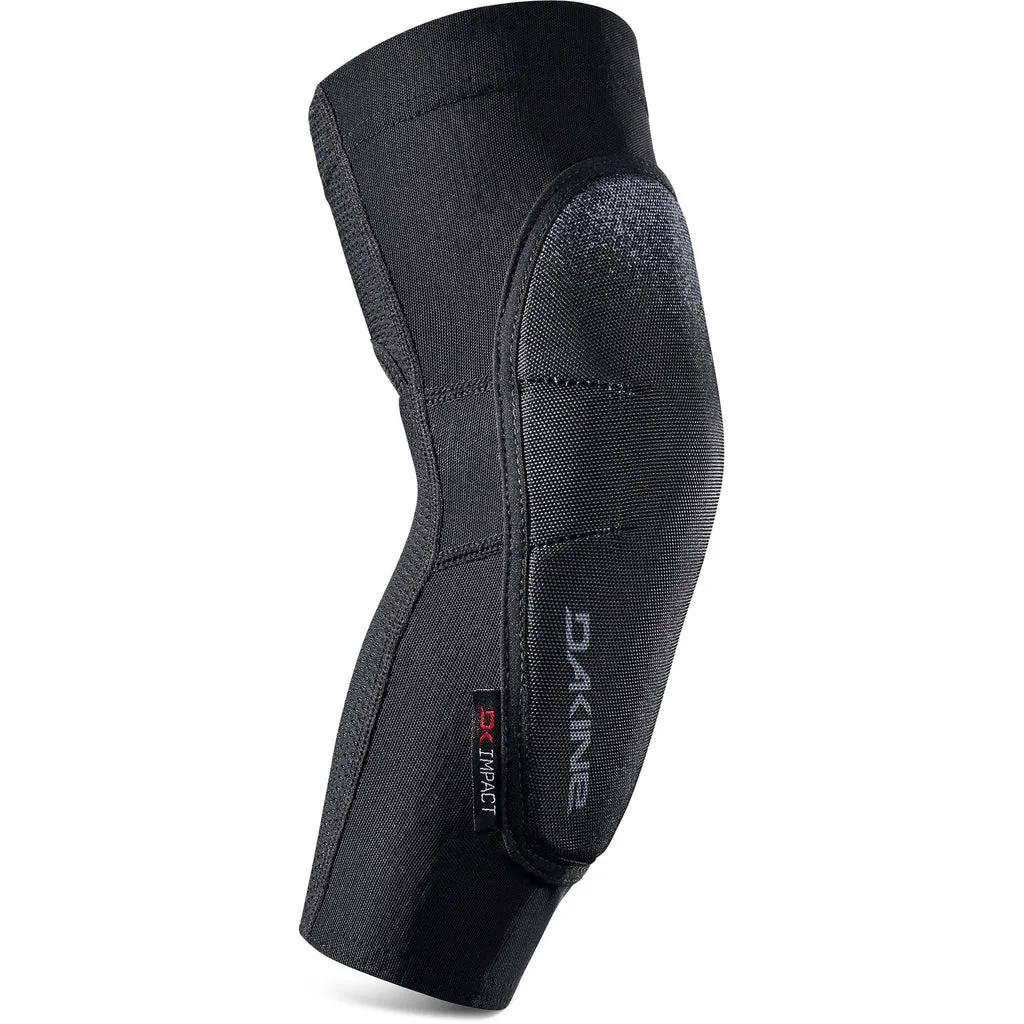
Dakine Slayer: a breathable middle ground
The official Dakine Slayer page describes a lightweight, breathable design with dual-density DK Impact foam, a Cordura outer, and CE certification. It is a useful middle option for riders who want more coverage and material than a minimalist sleeve but do not want the full downhill feel of the NoShock.
Use the current Dakine size chart and certification information as the authority. The fit should hold the protector over the elbow through repeated flexion without cutting circulation. If the sleeve rolls, pinches, or slides down during a deep bend, it is the wrong size or design even if the material list looks impressive.
How to choose between them
| Need | Starting reference | Why | Limitation |
|---|---|---|---|
| Low bulk for BMX street and park | Shadow Invisa-Lite | Breathable sleeve and silicone retention | Soft coverage is not downhill armor |
| Maximum protection in this group | SHRED NoShock Heavy Duty | Level 2 claim, straps, abrasion-focused front | Heavier, hotter, more expensive |
| Balanced trail and all-mountain use | Dakine Slayer | Foam and Cordura balance coverage and airflow | Verify current fit and certification details |
This table compares intended use and published construction. It does not rank crash outcomes.
Measure before ordering
Follow the brand’s chart rather than using a generic elbow measurement. For a sleeve pad, measure the arm where the maker instructs, normally around the biceps and forearm or through the elbow region. Keep the arm relaxed, use a flexible tape, and repeat the measurement. If you are between sizes, check whether the manufacturer recommends sizing up or down.
When the pad arrives:
- Put it on bare skin or the base layer used for riding.
- Bend and straighten the elbow repeatedly.
- Confirm that the protector stays centered on the point of the elbow.
- Check that the top and bottom edges do not restrict circulation.
- Simulate the arm position used on the bike.
- Walk, pedal, and move for several minutes before committing to a long ride.
Do not cut straps, remove foam, or modify a certified protector. If the pad does not fit without modification, return it or choose another model.
Care and replacement
Follow each maker’s washing instructions. Most soft pads need gentle cleaning and air drying; heat can damage foam, elastics, adhesives, and coatings. Let pads dry fully before storage. Inspect seams, straps, foam, and hard or semi-rigid panels after every significant crash. Replace a protector when the maker says to, when padding is crushed or torn, or when retention no longer keeps the pad positioned correctly.
Certification is not permanent after abuse. Keep the product label and instructions, especially when buying used. A used pad with unknown crash history is not equivalent to a new one.
Final recommendation
Pick the Shadow Invisa-Lite when consistent low-profile wear is the priority and the riding is mostly street or park. Pick the SHRED NoShock Heavy Duty for downhill and freeride coverage when the rider accepts bulk and can measure accurately. Pick the Dakine Slayer for a middle ground of breathable foam and abrasion-focused construction. The best pad is the one that matches the terrain, fits securely, and is worn for the ride.